That covers a lot of Greater Cleveland. Census estimates put about 79 percent of the City of Cleveland's housing units and about 86 percent of Lakewood's as built before 1970.[1] EPA estimates that about three-quarters of U.S. homes built before 1978 still contain some lead-based paint.[2] Here is what the rules require for siding, trim, and window work, and what it looks like on the job.
On this page
Who the RRP rule applies to
EPA's Renovation, Repair and Painting (RRP) rule applies to paid renovation, repair, and painting work that disturbs painted surfaces in homes and child-occupied facilities built before 1978.[2] Firms doing that work must be certified by EPA, and each job needs a certified renovator who has completed accredited training and is responsible for the lead-safe practices on site. Ohio has not taken over the program, so EPA administers it here directly.[2]
Homeowners doing work on their own owner-occupied homes are generally not covered by the rule, though EPA strongly recommends lead-safe practices for anyone.[2] The rule is about who you hire, not about you.
Which exterior jobs it covers
Any paid work that disturbs paint on the outside of a pre-1978 house can be covered, including tearing off siding that is painted or has painted trim behind it, scraping and sanding trim, removing or replacing windows, and cutting into painted fascia or soffit.
There is a minor repair exemption, but it is small: disturbing no more than 20 square feet of painted surface on the exterior. It does not apply to window replacement, demolition of painted surfaces, or prohibited work practices, regardless of size.[3] A siding replacement or full fascia job will almost always exceed it.
What the firm has to do before work starts
Before the job begins, the firm must give the owner EPA's Renovate Right pamphlet, no more than 60 days before work starts, and get a signed acknowledgment, or keep a certificate of mailing at least 7 days before the work.[4] The pamphlet explains lead hazards and what to expect.[5] If you have not received it from a contractor about to work on a pre-1978 house, ask why.
What lead-safe exterior work looks like
The work-practice standards for exterior jobs are specific.[6]
- Warning signs posted around the work area
- Plastic sheeting or other ground cover extending at least 10 feet beyond the work area
- Vertical containment, such as sheeting on scaffolding, when the work area is close to a property line or other buildings
- Doors and windows within 20 feet of the work closed to keep dust out of the house
- No open-flame burning or torching of paint
- No power sanding, grinding, or planing unless the tool has a shroud and HEPA vacuum attachment
- No heat guns at 1,100°F or higher
- Paint chips and debris collected and sealed, then a visual inspection by the certified renovator to confirm the work area is clean
Cleveland's Lead Safe Certification law
Cleveland has its own lead law, separate from the federal RRP rule. Since 2019, owners of rental properties built before 1978 in the city have had to obtain a Lead Safe Certification or an exemption, with certification valid for two years. Owner-occupied homes are exempt from that requirement.[7]
If you own a pre-1978 rental, exterior work such as siding or trim replacement can be part of addressing lead hazards found during an inspection. Coordinate with your lead inspector or risk assessor about what the work needs to achieve before the contractor starts. One Buckeye project in Cleveland's Brooklyn Centre neighborhood wrapped existing fascia for a homeowner facing lead-related concerns from the city, coordinated with a lead inspector.
What to ask your contractor
These questions take a few minutes and tell you whether a contractor takes lead rules seriously. Ask them of every contractor bidding on a pre-1978 house, including us.
- What is your EPA firm certification number?
- Who is the certified renovator for this job, and will they be on site?
- How will you contain dust and debris on the ground and near my neighbors?
- How will you clean up, and who checks the work area when you finish?
- Will I receive the Renovate Right pamphlet and a copy of your records for this job?
Why it matters
Lead dust from scraping, sanding, and demolition can settle in soil, on porches, and inside the house, where children can be exposed. EPA's Renovate Right pamphlet explains that lead exposure is especially harmful to young children and pregnant women.[5] Lead-safe work adds time and cost to a project, but it protects your family, your neighbors, and the crew. Treat a bid that ignores lead rules on an old house as a red flag, not a bargain.
Real Buckeye projects
Work we have finished on homes like this
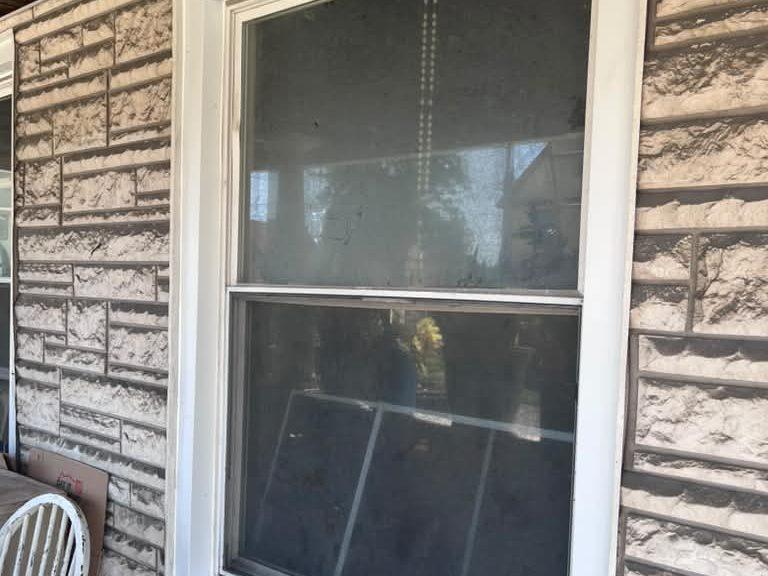
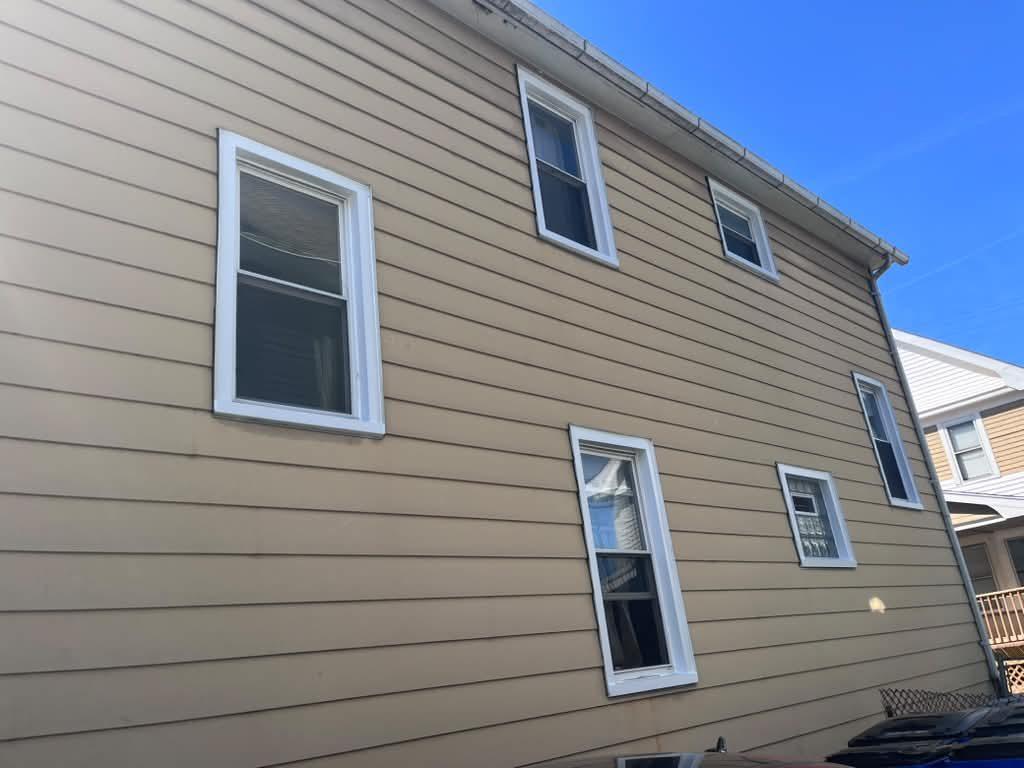
Fascia Wrap & Lead Compliance
Lead-Safe Fascia Wrap
Brooklyn Centre, Cleveland
Fascia wrapped in place to address lead-related concerns, coordinated with a lead inspector.
See the projectRelated services
Where Buckeye can help
Talk to Buckeye
Questions about your project?
Call or text to talk through siding, trim, roofing, or gutters. We are available Monday through Saturday.
Sources
- 1.American Community Survey 2020–2024 5-year estimates: year structure built, U.S. Census Bureau. Accessed Nov 17, 2026.Survey estimates with margins of error; year built is reported by respondents.
- 2.Lead Renovation, Repair and Painting Program, U.S. Environmental Protection Agency. Accessed Nov 17, 2026.
- 3.40 CFR 745.83 Definitions (minor repair and maintenance), Electronic Code of Federal Regulations. Accessed Nov 17, 2026.
- 4.40 CFR 745.84 Information distribution requirements, Electronic Code of Federal Regulations. Accessed Nov 17, 2026.
- 5.The Lead-Safe Certified Guide to Renovate Right, U.S. Environmental Protection Agency. Accessed Nov 17, 2026.
- 6.40 CFR 745.85 Work practice standards, Electronic Code of Federal Regulations. Accessed Nov 17, 2026.
- 7.Lead Safe: Landlords & Owner Responsibilities, City of Cleveland Department of Public Health. Accessed Nov 17, 2026.