A lot of homeowners do not think about siding until something looks obviously wrong. By then, the trouble usually started long before that loose panel or stain showed up.
Around Cleveland, siding gets worked over by freeze-thaw cycles, wind, heavy rain, and long winters. On older homes especially, small problems can sit there quietly until the wall underneath starts paying the price.
That is why it helps to know the warning signs before you end up spending money on repeat repairs that never really solve the issue.
Why Cleveland homes wear out siding faster
Cleveland's climate puts steady stress on exterior materials. Moisture gets behind aging siding, winter temperatures cause expansion and contraction, and strong storms can loosen seams or crack brittle pieces. Even homes that looked fine a few years ago can start showing failure once those weather cycles repeat enough times.
Older housing stock adds another layer of risk. Many homes around Cleveland have already gone through multiple repairs, partial replacements, or paint jobs over the years. That can leave homeowners with mismatched materials, hidden rot around trim, or old underlayment that no longer protects the wall system the way it should.
Visible warning signs on the outside of the house
Most of the time, the first clues are right in front of you. Warped panels, cracks, loose sections, or seams that are opening up usually mean the siding is no longer holding up the way it should.
Peeling trim paint, swollen corners, and staining near windows or rooflines can also mean water is sneaking in. A lot of homeowners hope it is just one bad section, but if you are seeing those issues in more than one area, the bigger system may be worn out.
- Warped or buckled panels
- Cracks, chips, or impact damage
- Loose sections after wind or storms
- Rotten trim boards or soft areas around openings
- Frequent repainting or recurring cosmetic fixes
Interior clues homeowners should not ignore
Sometimes siding problems show up inside before homeowners connect them to the exterior. Higher heating and cooling bills, drafty walls, musty smells, bubbling paint, or discoloration near windows can all point to moisture intrusion or reduced insulation performance behind the siding.
If you notice moldy odors in certain rooms or feel temperature swings near exterior walls, it is worth having the home inspected. Failing siding does not always cause a dramatic leak. In many cases it allows repeated small amounts of moisture to enter, which is exactly the kind of long-term damage that becomes expensive if it goes undetected.
When repairs still make sense and when they do not
Repairs can still be the right move when damage is isolated, the material is still in good shape overall, and matching pieces are available. A single storm-damaged area, a loose corner, or one section affected by a minor impact does not always justify a full replacement.
Replacement becomes the better investment when you are paying for repeated repairs, patching multiple elevations, or dealing with hidden substrate damage. At that point, you are often spending money just to keep an aging system limping along instead of fixing the root problem. A full replacement also gives you the chance to improve the home's look, efficiency, and long-term protection all at once.
What to expect from a siding inspection
A useful inspection should go beyond a quick walk-around. You want someone looking at panel condition, flashing details, trim, soffit and fascia transitions, moisture-prone areas, and any signs that the wall assembly has already been compromised. If there was recent storm damage, it also helps to document what may be insurance-related.
For Cleveland homeowners, an inspection should end with a clear recommendation: repair, targeted replacement, or full replacement. The goal is not to oversell a project. It is to understand how much life is left in the current siding and whether acting now can prevent costlier structural issues later.
Real Buckeye Project
Complete Exterior Makeover
This Cleveland-area home had visible wear and an outdated exterior. A full siding replacement with crisp white trim gave it a cleaner, more finished look and improved long-term protection at the same time.
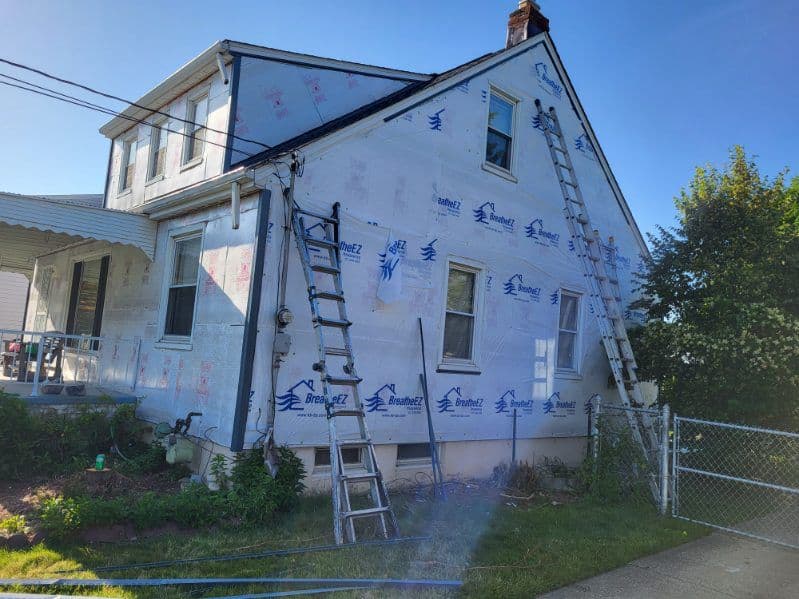
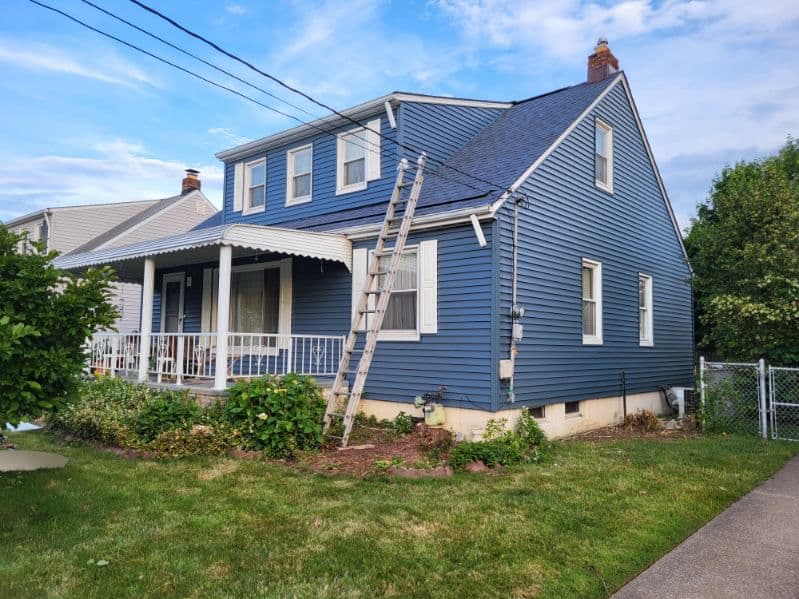
Project note: the homeowner wanted a more modern, finished look while also addressing wear on the existing exterior.
Want to see more real Buckeye before-and-after work like this one?
Frequently asked questions
How long does siding typically last in Ohio?
It depends on the material, installation quality, and maintenance, but Ohio weather can shorten the life of aging siding if moisture or freeze-thaw damage is already present.
Does rising energy cost always mean I need new siding?
Not always, but when energy loss is combined with drafts, moisture issues, or visible deterioration outside, siding is often part of the problem.
Can storm damage to siding be covered by insurance?
In many cases, yes. If wind or hail caused the damage, documenting it quickly can help support an insurance claim.
Next step
Have questions about your home's exterior?
Buckeye Exteriors offers free same-day estimates for roofing, siding, gutters, and storm damage restoration across Cleveland and the surrounding area.